
Kimi K1.5: Moonshot AI’s Reasoning Model Explained
This is an unofficial site, not affiliated with Moonshot AI. For the official product visit kimi.com.
Kimi K1.5 is a reasoning model from kimi moonshot ai, released January 20, 2025, that Moonshot AI says matches OpenAI’s o1 in math, coding, and multimodal reasoning. The o1-parity claim comes from Moonshot itself, so this page explains what K1.5 actually is, where it sits in the wider Kimi lineup, and how to weigh that claim rather than repeat it as settled fact.
What Is Kimi K1.5?
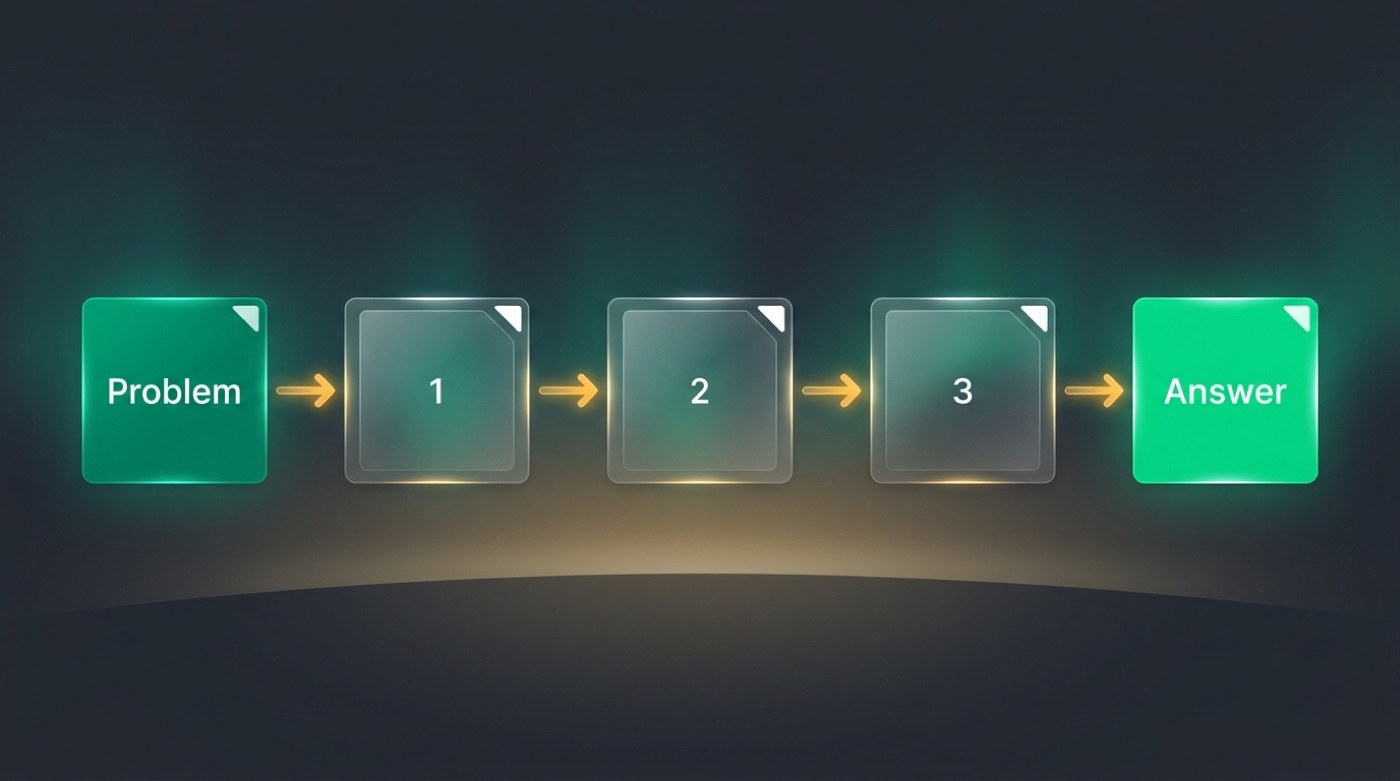
K1.5 is Moonshot AI’s reasoning-focused model, released January 20, 2025. Unlike a general chat model that answers in one pass, a reasoning model is built to work through a problem in steps before producing a final answer — useful for tasks where jumping straight to a conclusion tends to produce mistakes. Moonshot positioned K1.5 for exactly that kind of step-by-step problem solving across math, coding, and multimodal reasoning, meaning it can reason over a combination of text and images rather than text alone.
The quick-facts table below summarizes the model at a glance.
| Attribute | Detail |
|---|---|
| Maker | Moonshot AI |
| Released | January 20, 2025 |
| Type | Reasoning model |
| Headline claim | Parity with OpenAI o1 on math, coding, multimodal reasoning (Moonshot’s own claim) |
| Family | Part of the Kimi model lineup |
In plain terms, calling K1.5 a “reasoning model” means a few specific things:
- It is trained and tuned to produce intermediate reasoning steps, not just a short final answer.
- It targets domains where step-by-step logic matters most — mathematics, programming, and multi-step problem solving.
- It supports multimodal reasoning, so it can work with prompts that combine images and text.
- It was trained using reinforcement learning techniques aimed at improving how the model plans and checks its own reasoning, according to Moonshot.
- It sits alongside, not instead of, Moonshot’s other Kimi models, each aimed at somewhat different strengths.
The o1-Parity Claim — What Moonshot Says
Moonshot AI has stated that Kimi K1.5 reaches parity with OpenAI’s o1 on math, coding, and multimodal reasoning tasks. That is worth repeating plainly: it is Moonshot’s own claim about its own model, not an outcome independently confirmed and locked in place by a neutral third party. Benchmark leaderboards shift as models get updated, evaluation methodologies differ between labs, and a claim made at launch can look different a year later as competing models release new versions.
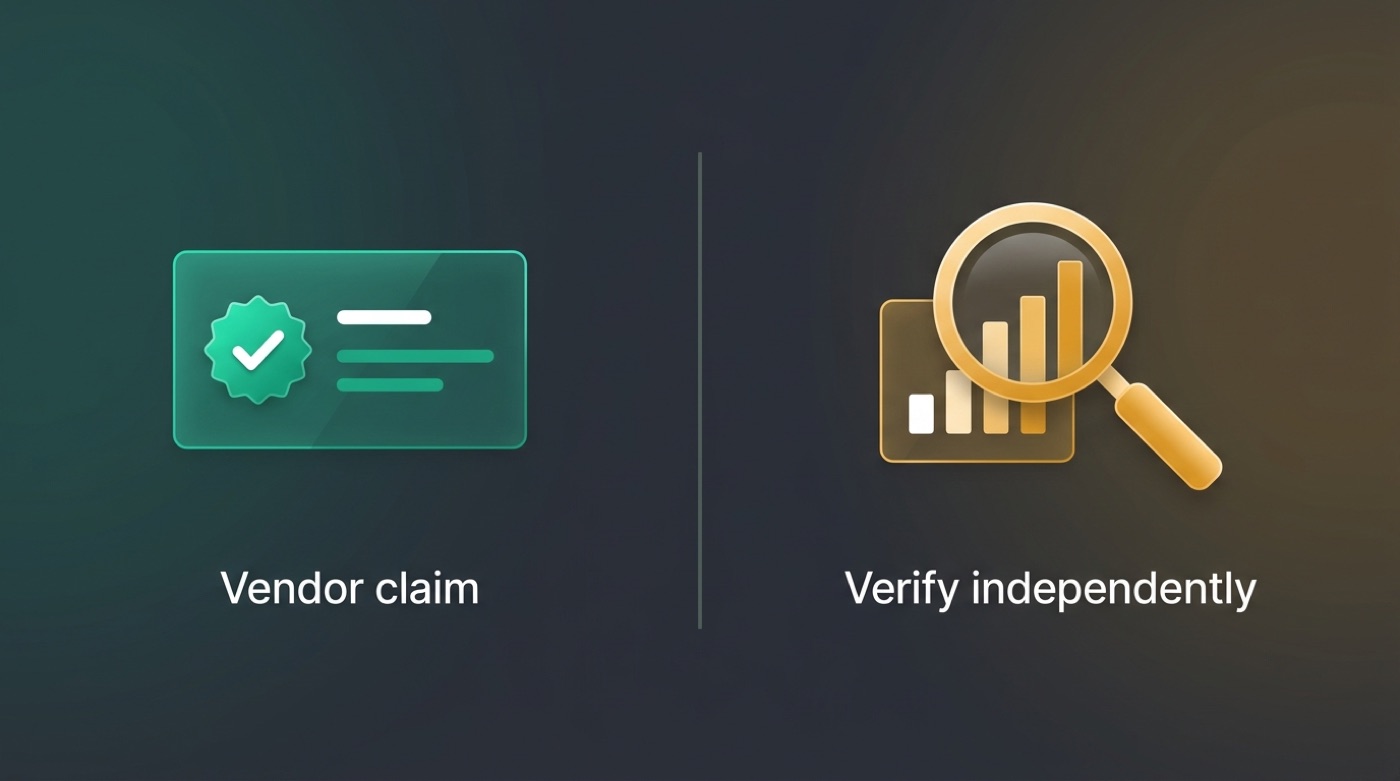
That does not make the claim meaningless — it means it should be read the way any vendor benchmark claim should be read. A short checklist helps:
- Identify who published the result — is it the model’s own maker, or an independent evaluator?
- Check which specific tasks or benchmarks were used, and whether they match your actual use case.
- Confirm which model versions were compared — o1 has had multiple variants, and so has Kimi.
- Look for independent reproductions or third-party leaderboards rather than relying on a single announcement.
- Re-verify periodically, since both Moonshot and OpenAI continue to release newer models.
Moonshot AI … is an artificial intelligence (AI) company based in Beijing, China. — Moonshot AI, Wikipedia
For background on the company behind the claim, Moonshot AI’s own site and its Wikipedia entry are more useful starting points than any single benchmark screenshot.
Where K1.5 Fits in the Kimi Lineup
Kimi K1.5 did not appear in isolation — it is one point on a timeline of releases from Moonshot AI that started well before January 2025. The original Kimi chatbot launched in October 2023 and built its early reputation on long-context handling, expanding from roughly 200,000 characters of context to about 2 million Chinese characters by March 2024. K1.5 arrived over a year later, adding a dedicated reasoning focus on top of that foundation. Then, in July 2025, Moonshot released Kimi K2 as an open-weight model using a mixture-of-experts (MoE) architecture with 1 trillion total parameters and 32 billion active parameters — a very different release strategy from K1.5, since K2’s weights were published openly rather than kept behind a hosted product only.
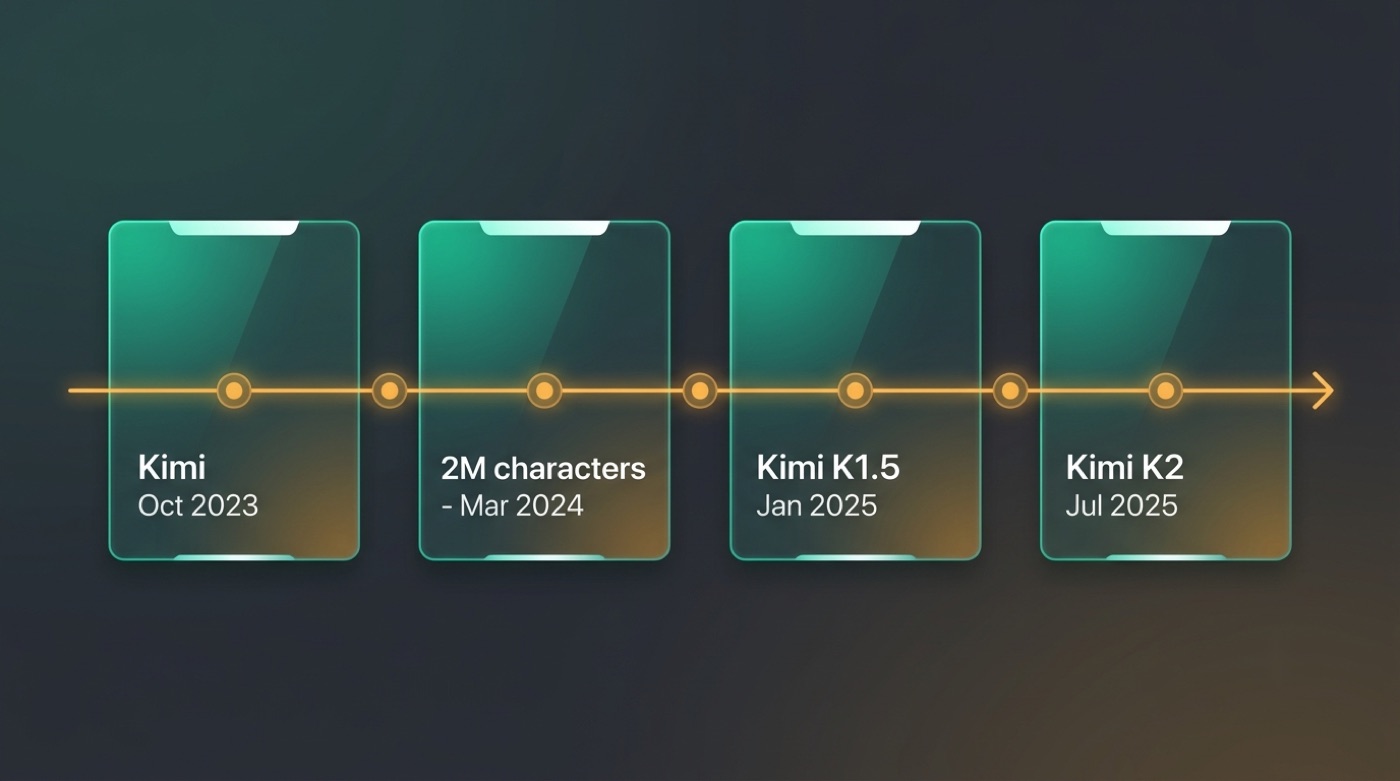
The table below lines up the confirmed milestones.
| Milestone | Date | Note |
|---|---|---|
| Kimi chatbot launch | October 2023 | Built reputation on long context |
| Long-context expansion | March 2024 | Context grew toward ~2 million Chinese characters |
| Kimi K1.5 | January 20, 2025 | Reasoning-focused model; Moonshot claims o1 parity |
| Kimi K2 | July 2025 | Open-weight MoE model, 1T total / 32B active parameters |
A few things distinguish K1.5’s place in that lineup:
- It followed the long-context Kimi chatbot rather than replacing it — long context and reasoning are separate strengths Moonshot has pursued over time.
- It predates Kimi K2 by about six months, and the two models take different approaches (closed-weight reasoning focus vs. open-weight MoE scale).
- It is the model most directly compared to OpenAI’s o1 in Moonshot’s own communications, more so than the earlier chatbot or the later K2.
Developers curious about Moonshot’s open releases, including code and model cards for models like K2, can check Moonshot AI’s Hugging Face organization directly.
What Kimi K1.5 Is Used For
Reasoning models like K1.5 are aimed at tasks that benefit from working through a problem step by step rather than answering in a single pass. That framing matters more than any specific benchmark number, since it points to where a model like this tends to be genuinely useful versus where a faster, simpler model might do just as well.
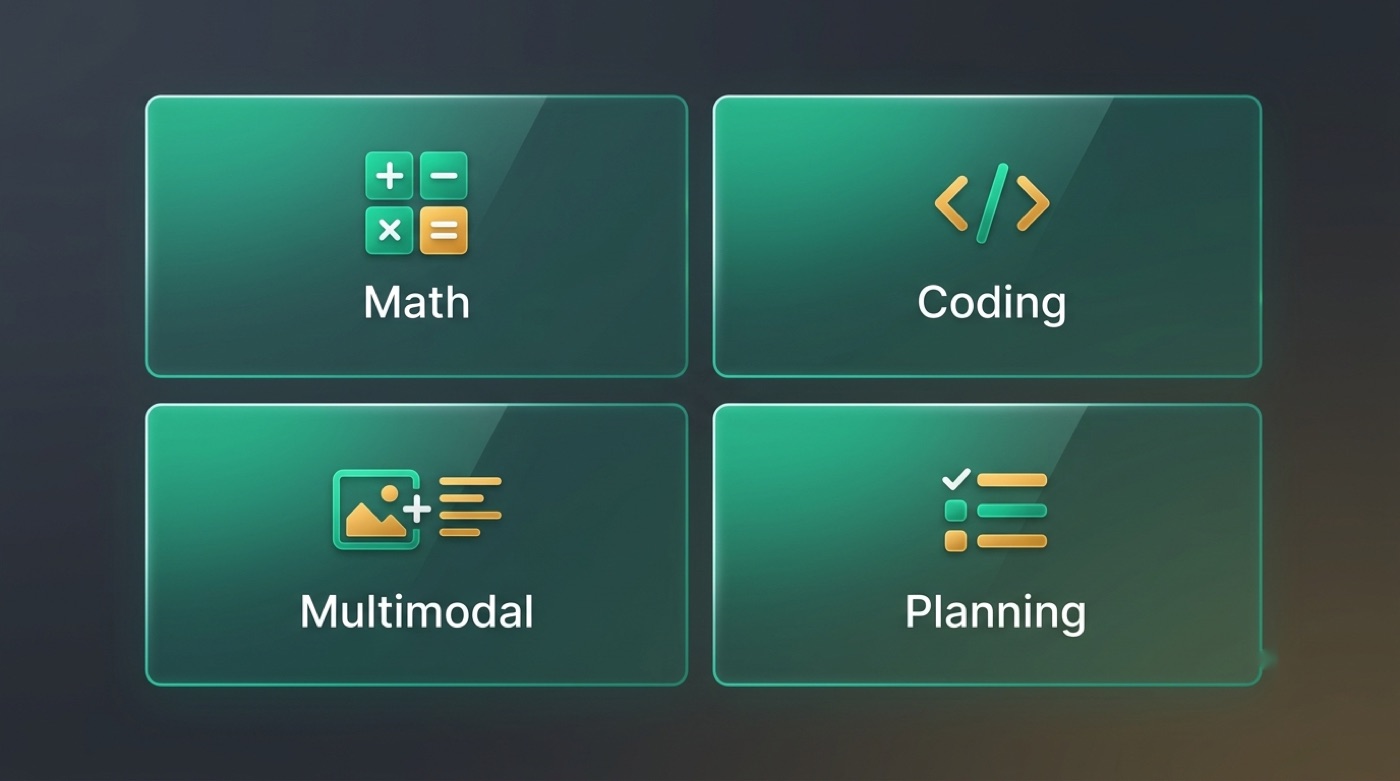
Typical use cases people point to for a reasoning-focused model include:
- Working through multi-step math problems where an early misstep changes the final answer.
- Debugging or reviewing code, where tracing logic matters more than generating a quick first draft.
- Reasoning over combined image-and-text prompts, such as interpreting a diagram alongside a written question.
- Structured problem solving in general — planning tasks, working through constraints, checking intermediate steps.
Exactly which capabilities are available at any given moment depends on the current hosted version of the model, since providers update deployed models over time. The safest way to confirm what a live kimi ai chat session can currently do is to check kimi.com directly rather than rely on a launch-date description.
How to Access Kimi K1.5
People generally reach Kimi models in one of three ways: the hosted assistant at kimi.com, a developer API for building K1.5 or related models into other software, and — for some models in the family, like K2 — open-weight releases distributed through Hugging Face and GitHub rather than a hosted product alone.
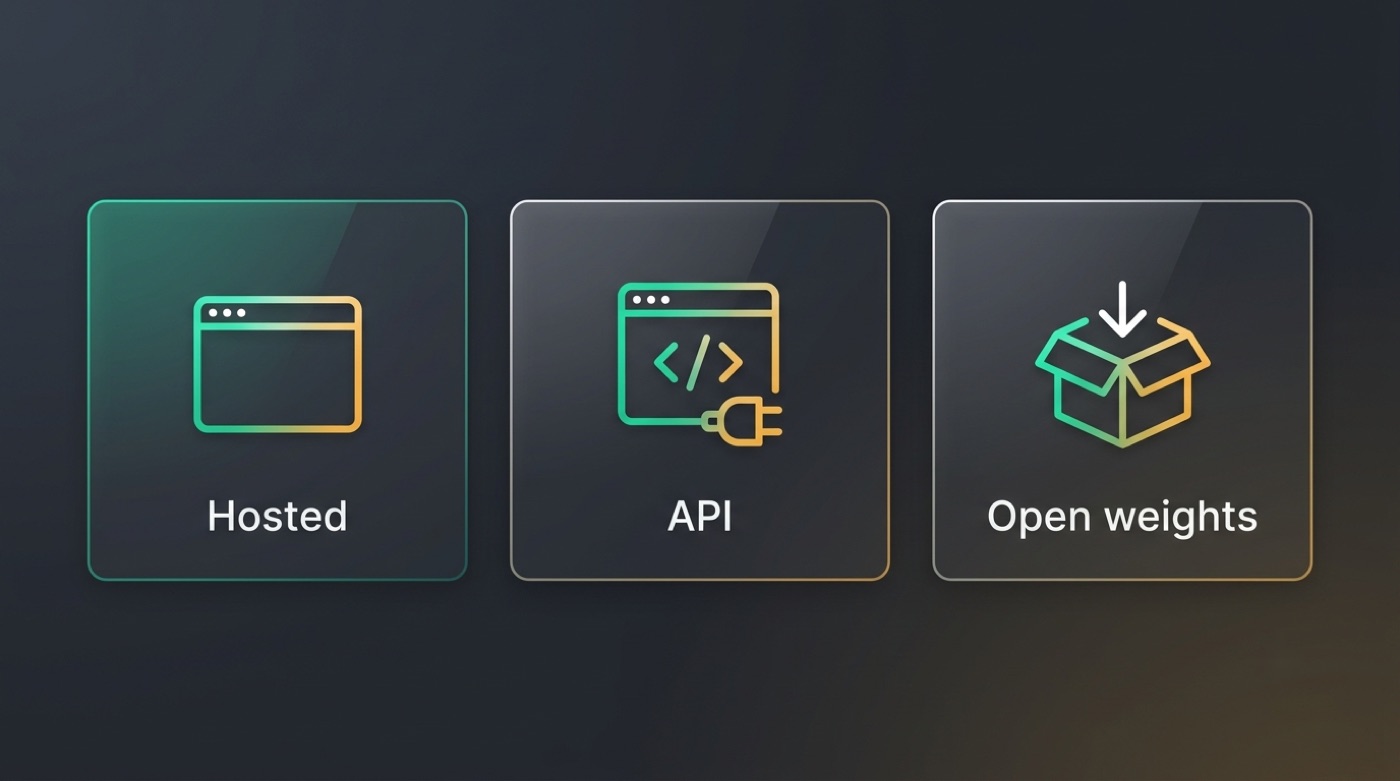
Here is a short walkthrough for checking current access:
- Go to kimi.com and open the chat interface.
- Check which model or mode is currently active or selectable, since offerings change over time.
- Look for a pricing or plans page to see what is free versus paid.
- For developers, check Moonshot’s API documentation for programmatic access and rate limits.
- For open-weight models in the family, check Moonshot AI’s GitHub organization for published code and model releases.
- Re-confirm before relying on any specific model version in production, since deployed models get updated.
Whether K1.5 specifically is exposed as a selectable model, folded into a newer release, or included in a free tier is not something that stays fixed — it changes as Moonshot updates its lineup. The only reliable way to know what is available right now, including whether you can try kimi ai free, is to check kimi.com directly rather than assume a January 2025 description still applies unchanged.