
Kimi vs DeepSeek: How Two of China’s AI Challengers Compare
Kimi and DeepSeek are often mentioned in the same breath, but a quick look at kimi moonshot ai shows they come from two separate companies with different design philosophies. This is an unofficial site, not affiliated with Moonshot AI. For the official product visit kimi.com.
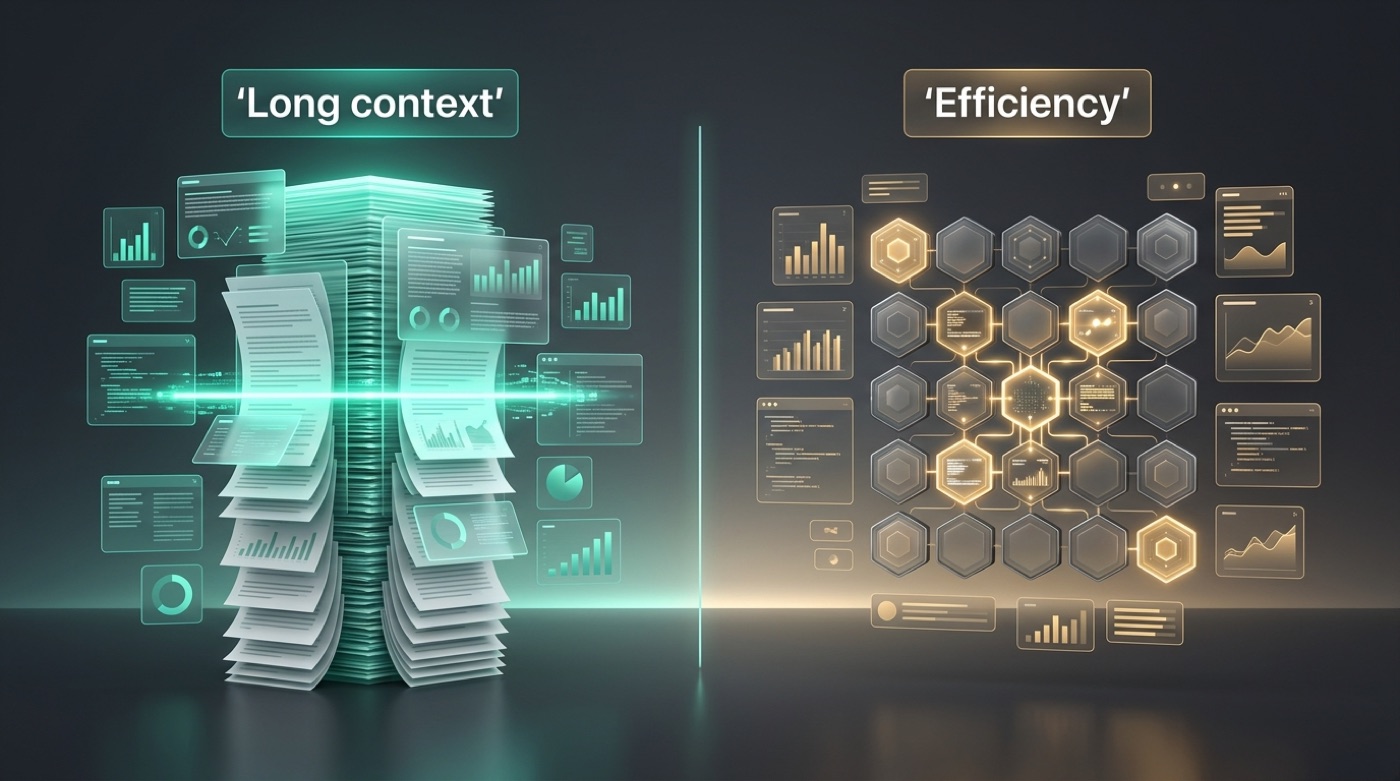
Kimi is Moonshot AI’s long-context assistant, built around handling very large inputs in a single prompt. DeepSeek is a different Chinese lab known for efficient, openly released models. The comparison below is qualitative — for live specifics and benchmarks, check each vendor’s official pages directly.
Kimi and DeepSeek at a Glance
Both companies emerged from China’s fast-moving AI scene around the same period, and both now ship a hosted chatbot, a developer API, and open-weight model releases. The overlap ends at the surface, though — each lab optimizes for a different job.
| Dimension | Kimi | DeepSeek |
|---|---|---|
| Maker | Moonshot AI | DeepSeek (separate lab) |
| Signature strength | Long context window | Efficiency-focused architecture |
| Open weights | Yes — Kimi K2 on Hugging Face | Reported, check official model cards |
| Best for | Long documents, research dumps, consumer chat | Developer tooling, cost-sensitive deployment |
A few things the two labs have in common, before getting into what sets them apart:
- Both are Chinese AI companies founded during the recent wave of domestic model development.
- Both publish open-weight models rather than keeping everything closed.
- Both offer a hosted chat product and a paid API for developers.
- Both compete internationally on benchmarks that Moonshot and DeepSeek publish and update independently.
This table is directional rather than scored — neither company publishes a single “winner” metric, and the right pick depends on the task in front of you.
Who Makes Each: Moonshot AI vs DeepSeek
The confusion between the two products usually starts with a simple question: are Kimi and DeepSeek made by the same company? They are not, and the histories behind them are quite different.
Moonshot AI, the maker of Kimi
Moonshot AI was founded in March 2023 by three Tsinghua schoolmates — Yang Zhilin, Zhou Xinyu, and Wu Yuxin — and is headquartered in Beijing. The company’s name reportedly nods to Pink Floyd’s album “The Dark Side of the Moon.” Moonshot is counted among China’s so-called “6 AI Tigers,” a group of startups that drew heavy investor attention, and Alibaba led a $1 billion funding round for the company in February 2024. Kimi is Moonshot AI’s consumer-facing chatbot and the product most people mean when they say “Kimi.”
DeepSeek, a separate lab
DeepSeek is a distinct Chinese AI company and is not part of Moonshot AI. It is widely reported for releasing efficient, openly available mixture-of-experts models. So, is Kimi made by DeepSeek? No — the two are unrelated companies pursuing different product strategies, even though they’re frequently compared as peers. Specific financial details, model versions, and release dates for DeepSeek should be verified directly through DeepSeek’s own channels, since third-party reporting on a fast-moving lab can go stale quickly.
Design Philosophy: Long Context vs Efficiency
The clearest technical split between the two labs is what each one optimized for first: Moonshot chased context length, while DeepSeek built a reputation around efficient use of compute.
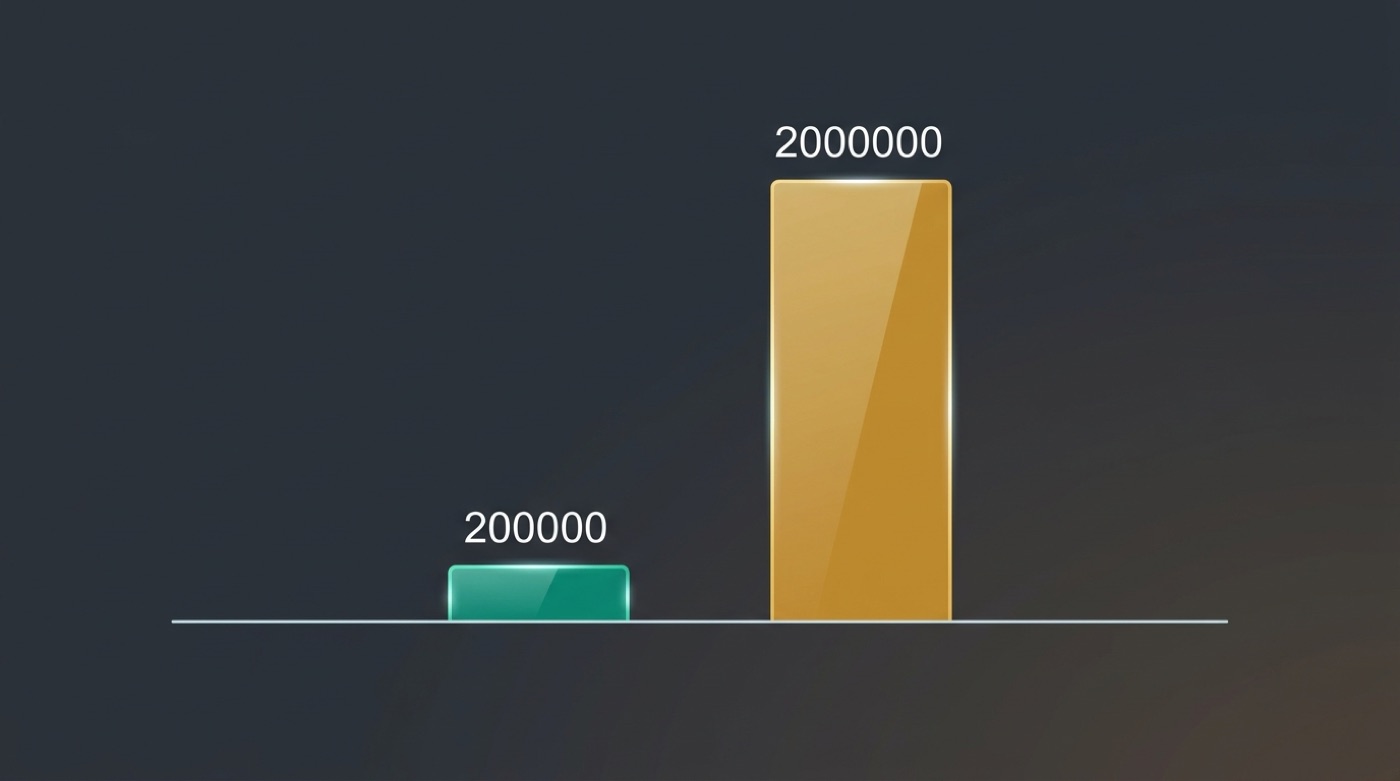
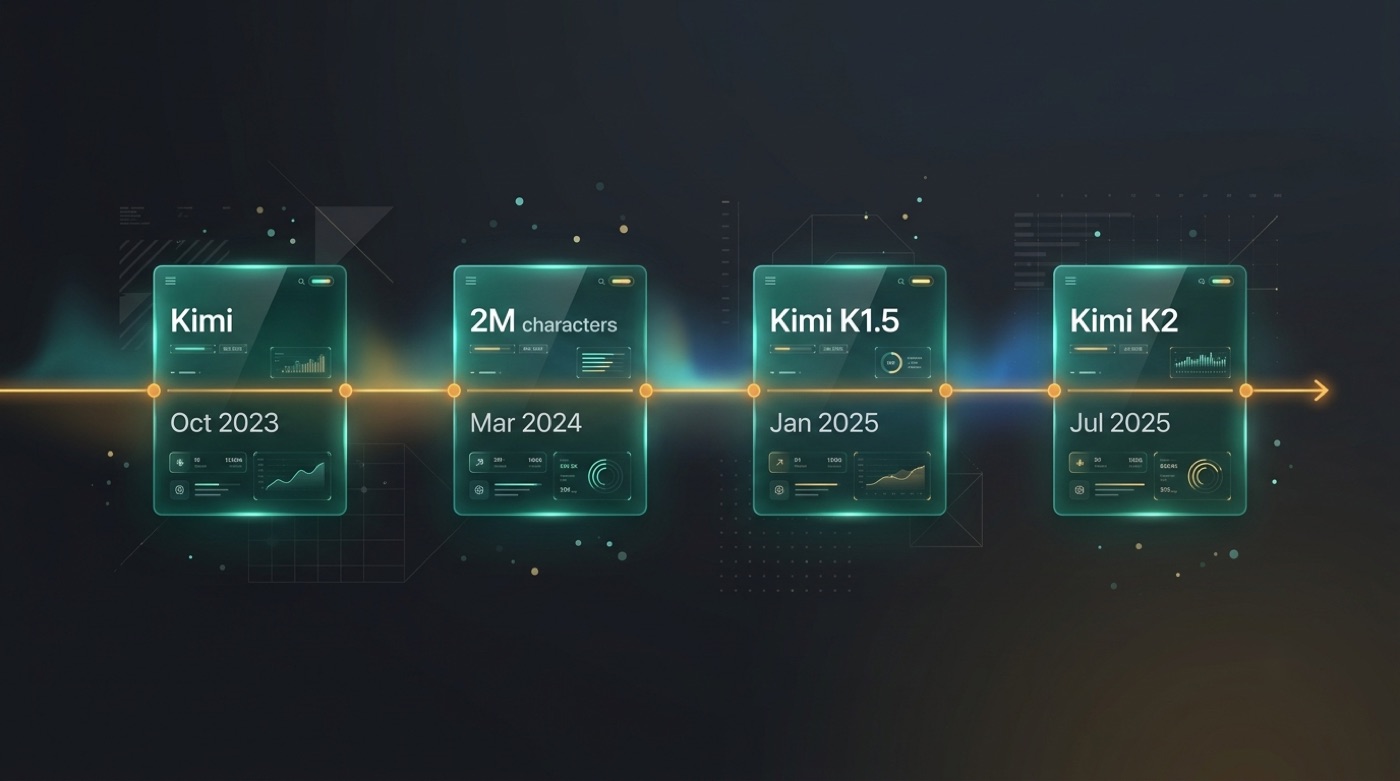
Kimi’s long-context hallmark. Kimi launched in October 2023 supporting up to 200,000 Chinese characters in a single conversation, then was upgraded in March 2024 to handle around 2 million Chinese characters in one prompt. That kind of window is aimed squarely at long documents, research dumps, and codebases too large for a typical chat window.
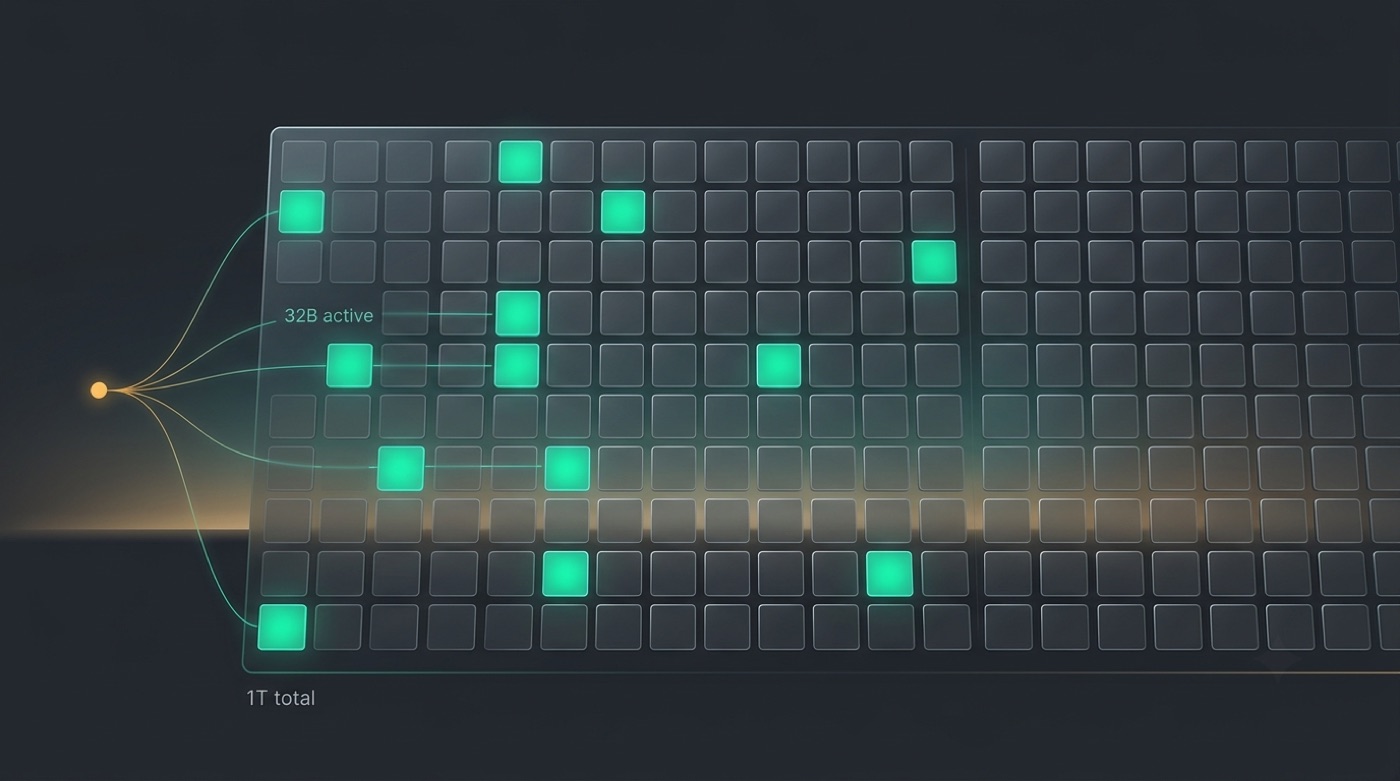
Shared building block: mixture-of-experts. Both families lean on mixture-of-experts (MoE) architecture, where only a subset of the model’s parameters activate for any given token. Kimi K2, released as open weight in July 2025, is a MoE model with 1 trillion total parameters and 32 billion active parameters — a large total capacity with a comparatively light per-token compute cost. DeepSeek is likewise reported to rely on efficient MoE designs, but exact active-versus-total parameter counts for its models should be confirmed on DeepSeek’s own model cards rather than assumed from secondary sources.
Moonshot AI is a Chinese company that develops large language models, founded in 2023 and based in Beijing.
Wikipedia, Moonshot AI
- Kimi’s context ceiling makes it a natural fit for tasks like summarizing long PDFs or reasoning across an entire repository at once.
- DeepSeek’s efficiency focus is generally described as favoring lower serving cost per query.
- Moonshot also released Kimi K1.5 in January 2025, with the company claiming reasoning performance on par with OpenAI’s o1 model — a claim worth checking against current independent benchmarks rather than taking at face value.
- Neither lab publishes a shared, apples-to-apples benchmark suite, so head-to-head scores you see elsewhere are often not directly comparable.
Here is a short way to sanity-check any claim you read about either model before relying on it:
- Identify which company published the claim — Moonshot, DeepSeek, or a third party.
- Check the publication date; both labs ship updates frequently.
- Look for the specific model version named (Kimi K2, K1.5, etc.) rather than a generic “Kimi.”
- Cross-reference against the official site (kimi.com or moonshot.ai) or the model card on Hugging Face.
- Treat any benchmark score as a snapshot, not a permanent ranking.
- For DeepSeek specifics, confirm directly on DeepSeek’s own published materials.
- Re-check before making a purchasing or deployment decision, since both fields move fast.
Open Weights and Availability
Both Kimi and DeepSeek go beyond a closed hosted product — each publishes model weights that developers can download and run themselves, alongside the usual hosted options.
| Channel | Kimi | DeepSeek |
|---|---|---|
| Hosted chat | Yes (kimi.com) | Reported, check official site |
| API | Yes | Reported |
| Open weights | Yes — huggingface.co/moonshotai | Reported |
| Self-host | Yes — github.com/MoonshotAI | Reported |
In practice, this means:
- Kimi’s open weights (including Kimi K2) are published on Hugging Face, with code and model documentation mirrored on GitHub.
- Kimi is also reachable as a hosted assistant through kimi.com, plus a developer API for integrating it into other software.
- DeepSeek similarly offers a hosted assistant, an API, and open-weight releases, according to widely available reporting — verify the current state on DeepSeek’s own site before building on it.
- Self-hosting either family requires meaningful GPU capacity given the parameter counts involved, especially for the larger MoE checkpoints.
Which Should You Choose?
There’s no universal winner here — the right choice tracks the job you’re doing, not a leaderboard score.
- Choose Kimi when you’re working with long documents, large research dumps, or want a single prompt to hold an entire codebase or book-length text.
- Consider DeepSeek when developer tooling, self-hosting economics, or its particular ecosystem fit your workflow better.
- If you mainly want a consumer chat experience with minimal setup, kimi ai chat is the more direct route into Moonshot’s product.
- If cost-per-query at scale is the deciding factor, weigh DeepSeek’s reported efficiency claims against your own testing rather than published marketing.
“Better” depends heavily on the specific task, and public benchmark leaderboards for both labs change often as new versions ship. Before committing to either one for a production workflow, verify current capabilities directly on kimi.com and on DeepSeek’s official site.